


Image: Getty Images
This amazing bit of research uses a special type of bacteria - incredibly tiny living things found everywhere on Earth, which can only be seen with a microscope – to change the plastic.
Afterwards, the scientists are left with something that can help people who have Parkinson's disease. It's a big step forward in both tackling the problem of plastic waste and helping people with Parkinson's.
Parkinson's is a disease in which parts of the brain become more damaged over many years. People who have Parkinson's don't have enough dopamine, which is a chemical that sends messages between the parts of the brain and nerves that control movement. This leads to problems with moving around, including shaking and slowness.
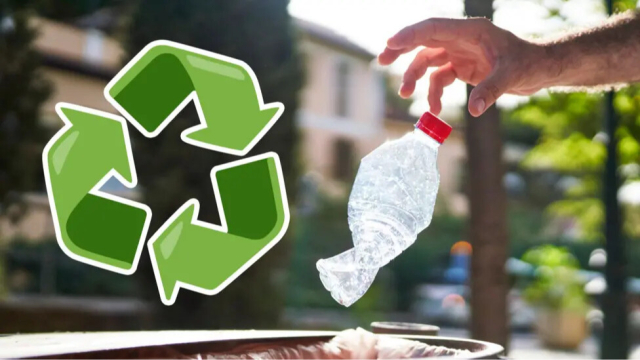
At the moment, there is no cure for Parkinson's. And that's where this new discovery comes in. By engineering E. coli bacteria, scientists are able to break down a type of plastic called PET, which is used in lots of food and drink packaging.
They can then transform what's left into a leading Parkinson's medication called levodopa, or L-dopa. Levodopa can help some people with Parkinson's increase their dopamine levels, which can improve movement.
Because this new way of producing levodopa uses bacteria, it's a more natural process than the usual methods of making the medicine, which often rely on fossil fuels.
The team at the University of Edinburgh now need to see if they can develop this technology to make lots more medicine in a way that is affordable and still good for the environment.
Source: BBC
Image: Getty Images